Showing posts with label #markets. Show all posts

Tuesday, 21 October 2014

Transforming Resources into Goods and Services

So I've fallen a bit behind with the posts but it's because you guys have been working so hard!!!!

Let's crack on... so there are four main industrial sectors;

Primary: if the business' activity is extracting raw materials from the earth (e.g. mining, farming)
  

Secondary: if the business' activity uses raw materials to transform them into a product (e.g. manufacturer)
  

Tertiary: if the business does not produce a tangible product but provides a service (e.g. taxi firm, architect)
  

Quaternary: if the business' activity is to provide IT related services (e.g. IT consultant)
                              

Once we have decided which industrial sector suits our business, we must then design our transformation process. This is where we take our inputs and we find a way to add value to those in order to create our outputs.




Inputs are required to make a product or provide a service. These can be:

  • raw materials
  • finance
  • capital (equipment)
  • people
  • land
  • entrepreneurship
BUT ALSO...
  • ideas 
  • talent

So outputs are what the customers will get for their money.
  • product (tangible / physical)
  • service (intangible / non-physical - remember... you can't hold a massage!)
However, with the making of any product or service you will always have some form of waste.

Adding Value
So how on earth do we add value to our inputs?!?! I'm glad you asked...

 Take these mere peanut butter cups... try not to reach into the screen and steal them! Now these little beauties are "delish" on their own, BUT...

 Now consider this cold, scrummy bowlful of ice-creamy goodness. I can sense you all craving it. We love a little treat of ice cream, it's so yummy, BUT...

WHAT IF...

Oh no they didn't!!!!!!!!!!!!!!!!!!!!!!!!!!!!!!!!!!!!!!!!!!!!!!!!!!!!!

I promise there is a point to this... Ben & Jerry's took products that already exist but have made them better than what they were. By combining the flavours, B&J's are able to charge over £4 per tub of ice cream.

So we can add value by creating new versions of existing products. We can also:
  • Create a brand - we pay more for well known and prestigious labels
  • Introduce marketing - build brand awareness, offer deals, make a memorable moment
  • Offer impeccable customer service - we pay more if we are treated well
  • Operate efficiently - if we fulfill our orders on time without any errors, customers will return and stay loyal
How would you add value to this little bundle of gorgeousness?
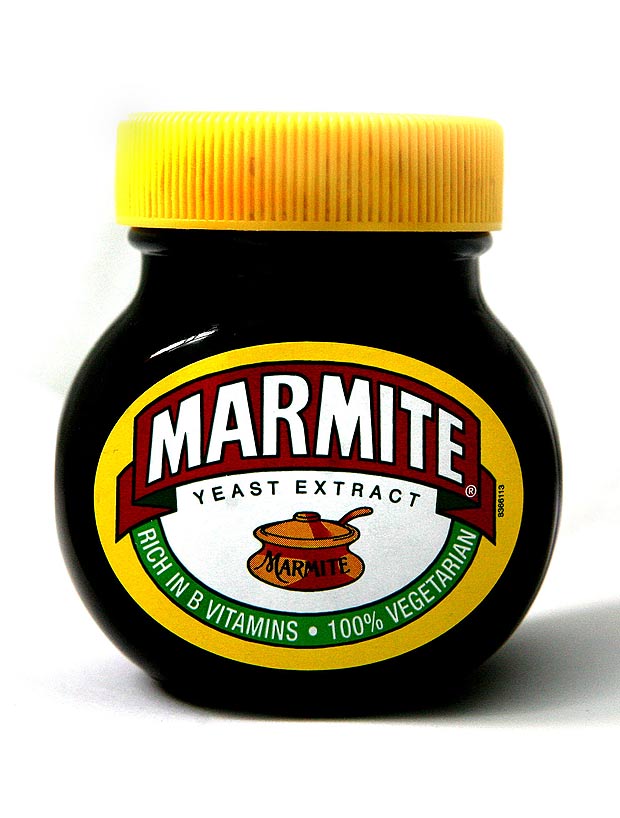
                                              
Businesses want to add value to their products. It may be time consuming to design or maintain but it ultimately benefits them. By adding value they can:
  • charge a higher price
  • create a USP (unique selling point)
  • give themselves protection from competitors offer the same/similar products at a lower price
  • focus on who their target market are and what they need from the product/service
  • create customer loyalty
Up next... Legal Structures...

Tuesday, 14 October 2014

Understanding Markets

A market can be anywhere physical or non-physical where buyers and sellers come together to exchange goods and services.
The markets can be:
  • Physical --> real
  • Virtual  --> online
  • Local --> only supply to a local town / region
  • National --> supply all across the UK
  • International --> supply to various countries
Businesses may decide to operate either as B2B (Business to Business) or B2C (Business to Consumer).

Let's get to the mathsy stuff...

Markets can be measured in two ways;
Winston Churchill giving the V sign
 Volume


Value

C'mon... this is all for the good of learning!!!

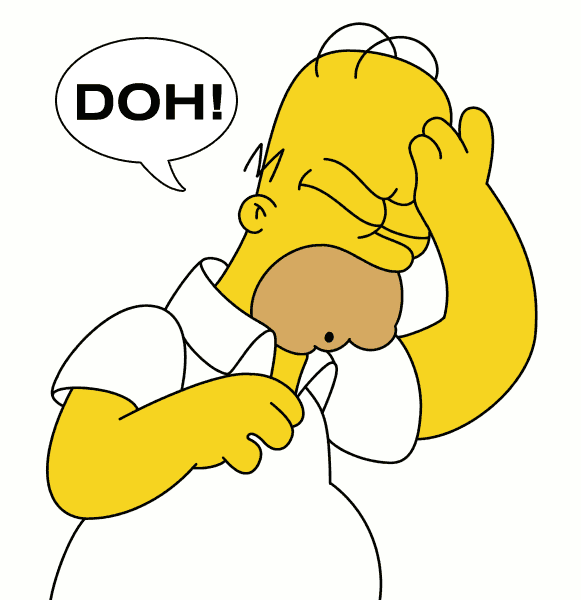
One of our first calculations looks at how the market is due to grow. This is where our good ol' friend Homer Simpson comes to the rescue.

Market Growth


Difference in market sizes (units or value)
---------------------------------------------------         x100
Original size


Market Share

This calculation allows us to see how well we are doing in comparison to the rest of the market.


Sales of a business (units or value)
               -----------------------------------------------        x100
Total sales (units or value) in the market

These are all very well but we are nothing without a little thing called DEMAND!

Demand is the amount of goods / services customers are willing and able to spend over a period of time.
This can be affected by things like income, price of a product, what the competitors are offering. Demand is very vulnerable to change.

Market Segmentation

The market is broken into four segments:
  • Geographic --> where do you live, where are you from
  • Demographic --> your profile; age, gender, socio-economic background
  • Psychographic --> our values, beliefs
  • Behavioural --> why do we buy the products that we do, are there any patterns?
This segmentation allows for businesses to tailor their marketing and really find ways to develop their products into new market segments.

However there may be a concern that we become so focused on specific market segments that we miss out on entire audiences.

Niche Marketing

I'm a video!!!

Niche marketing is all about finding that gap in the market and then exploiting it. Niche marketing is good for a start-up because it is likely that we will have fewer competitors BUT is there a large enough market for our product or service to make it viable?!

Tune in next time for Transforming Resources... ooooooh....